

Renovating Older Homes: What Usually Surprises Homeowners
Key Takeaways:
- Renovating older homes often reveals hidden problems that can increase costs and timelines.
- Many older Toronto homes have outdated wiring, plumbing, and insulation that need upgrades.
- Understanding what to expect when renovating an older home in Toronto helps you plan better.
- Working with experts on older home renovation projects in Toronto reduces stress and surprises.
The idea of renovating an older house in Toronto can be thrilling, yet it is usually associated with unforeseen issues. Most homeowners begin with a simple plan, only to realize there are more problems when the work starts.
From outdated wiring to hidden structural damage, renovating older homes is very different from working on newer properties. When you are planning to renovate an old house in Toronto, you should realize that there may be things lurking behind the walls.
In this guide, we will take you through the most common surprises, such as hidden problems in the renovation of older houses, and what to expect when renovating an old house in Toronto, so that you can plan with confidence.
What Are the Most Common Problems in Older Toronto Homes?
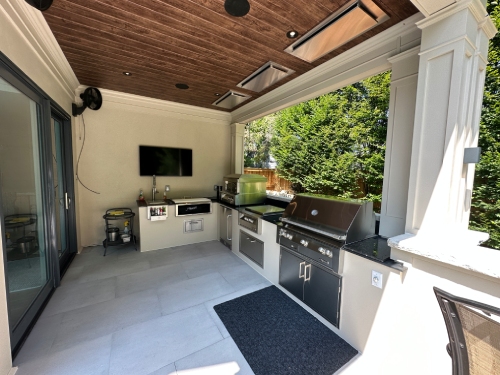
The frequent issues in older homes in Toronto are surprising to many homeowners. There are problems that are not always obvious until you start a renovation, and they can impact your budget and schedule.
Outdated Electrical Systems
Older houses were constructed when fewer appliances were in use. This means that their electrical systems might not be up to date.
You may find:
- Knob-and-tube wiring
- Limited electrical capacity
- Unsafe or worn-out wiring
These issues can be dangerous and usually require upgrades during renovations.
Aging Plumbing Systems
Old plumbing systems can cause many problems. Pipes may be corroded, leaking, or made from outdated materials.
Common signs include:
- Low water pressure
- Discoloured water
- Frequent leaks
Replacing old plumbing can add to your renovation cost, but it is often necessary.
Poor Insulation and Ventilation
Many older homes were not built with modern insulation standards. This can lead to:
- Drafty rooms
- Higher heating and cooling costs
- Uneven temperatures
Upgrading insulation improves comfort and energy efficiency.
What Hidden Issues in Old House Renovations Should You Expect?
The most notable issue with updating an older house is that you often discover problems that aren’t immediately apparent. These are the unseen problems in old-house renovation that are usually revealed after opening walls or floors.
Structural Damage Behind Walls
Once renovation work begins, contractors may uncover:
- Rotting wood
- Cracked framing
- Weak support beams
These issues should be resolved prior to proceeding, which may delay the project.
Mould and Moisture Problems
Older homes are more likely to have moisture issues, especially in basements and bathrooms.
Hidden problems may include:
- Mould growth
- Water damage
- Poor ventilation
This can impact your health and the structure of your home.
Outdated or Hazardous Materials
Some older homes contain materials that are no longer considered safe, such as:
- Asbestos
- Old insulation
- Lead-based paint
These materials require special handling and removal, which can increase costs.
Do Old Toronto Homes Need Rewiring?
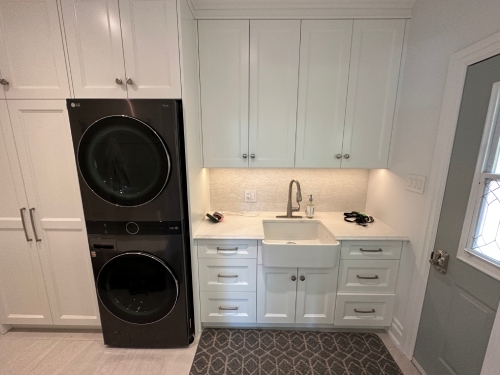
One of the most frequent questions is: Do old Toronto homes require rewiring? Yes, in most cases.
Signs Your Home Needs Rewiring
You may need to update your electrical system if you notice:
- Flickering lights
- Frequently tripping breakers
- Limited outlets
These are signs that your system may not be safe or strong enough.
Benefits of Upgrading Electrical Systems
Rewiring your home can:
- Improve safety
- Support modern appliances
- Increase property value
It also gives you peace of mind knowing your home meets current standards.
When Rewiring Is Required
Rewiring is often necessary during major renovations, especially when:
- Walls are being opened
- New rooms are added
- Old systems are no longer safe
What Structural Issues in Old Homes Can Affect Renovations?
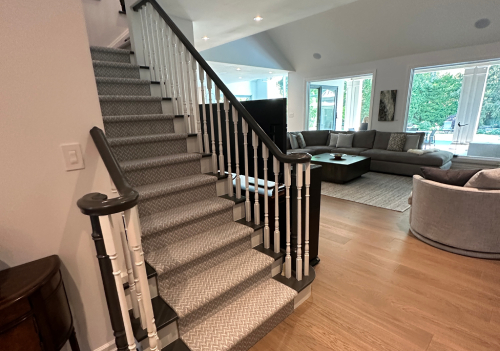
One of the biggest surprises homeowners encounter is the presence of structural problems in older homes. These issues can affect safety and project schedules.
Foundation Problems
Older homes may have foundation issues such as:
- Cracks in the walls or floors
- Shifting or settling
- Water damage
Fixing foundation problems is important before continuing with other renovations.
Load-Bearing Walls
Not all walls can be removed. Some walls support the structure of your home.
If you plan to:
- Open up spaces
- Create open-concept layouts
You will need proper support systems, which require planning and expertise.
Roof and Framing Issues
Roof structures and framing can weaken over time. Common problems include:
- Sagging roofs
- Damaged beams
- Aging materials
These issues must be addressed to ensure the home is safe and stable.
What Should You Expect When Renovating an Older Home in Toronto?
Knowing what to anticipate when remodelling an old house in Toronto can help you stay calm and prepared.
Unexpected Costs
One of the biggest surprises is the cost. Hidden issues can increase your budget.
You may need to spend more on:
- Repairs
- Upgrades
- Permits and inspections
It is always a good idea to set aside extra funds for unexpected problems.
Longer Timelines
Renovating older homes often takes more time than expected. Delays can happen due to:
- Discovering hidden issues
- Waiting for permits
- Extra repair work
Being patient and flexible helps the process go more smoothly.
Need for Specialized Expertise
Older homes require a different approach than newer ones.
Working with professionals experienced in:
- Toronto century home renovation
- older home renovation Toronto projects
can make a big difference in the quality and success of your renovation.
Are There Special Rules for Heritage Home Renovation in Toronto?
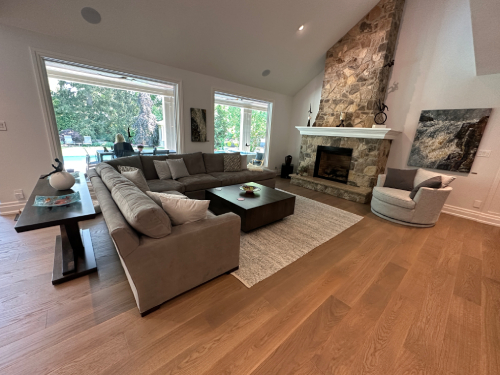
If your home is historically designated, heritage home renovation in Toronto follows special rules.
Heritage Restrictions
These homes often have limits on what you can change, especially on the exterior.
You may need to preserve:
- Original design features
- Materials and finishes
- Architectural details
Approval Process
Renovating a heritage home often requires:
- Additional permits
- City approvals
- Detailed plans
This process can take longer, but it helps protect the home’s history.
Working with Professionals
It is important to work with contractors who understand heritage requirements.
They can help you:
- Follow regulations
- Maintain the home’s character
- Complete the project successfully
Conclusion
Renovating older houses can be a fulfilling process, but it also comes with its own challenges. Since it has been discovered that there are hidden problems in the renovation of old houses or in their structures, it is necessary to be prepared.
By knowing what to anticipate when renovating an older home in Toronto, you can plan and budget more effectively and avoid costly surprises.
When you consider renovating older homes in Toronto, it can be much easier to work with professionals who have experience. An older house can be transformed into a beautiful, modern environment with the right team without losing its character and charm.
Contact Urban Blueprint Developments today to receive professional advice and make your renovation vision a reality.
Frequently Asked Questions
What are the most common problems in older Toronto homes?
The most prevalent issues in old homes are outdated wiring, old plumbing, poor insulation, and structural problems. These issues are hidden and may only be discovered during renovations.
What hidden issues in old house renovations should I watch for?
There might be mould, water damage, or old materials behind the walls. These hidden problems during old-house renovations can increase costs and delay your project timeline.
Do old Toronto homes need rewiring?
Yes, most older houses require rewiring to comply with current safety standards. Symptoms include flickering lights, a few outlets, and frequent breaker trips.
What should I expect when renovating an older home in Toronto?
Anticipate unforeseen malfunctions, increased expenses, and extended schedules. Knowing what to expect when renovating an older home in Toronto helps you prepare and avoid stress.
Are permits required for older home renovation projects in Toronto?
Yes, most large renovations must have permits, particularly those that include structural, plumbing, or electrical alterations.
What is involved in a heritage home renovation in Toronto?
The renovation of a heritage home in Toronto should be guided by rigorous guidelines to preserve its historical features. You may need special permits and licences.