

Permits for Home Additions in Toronto
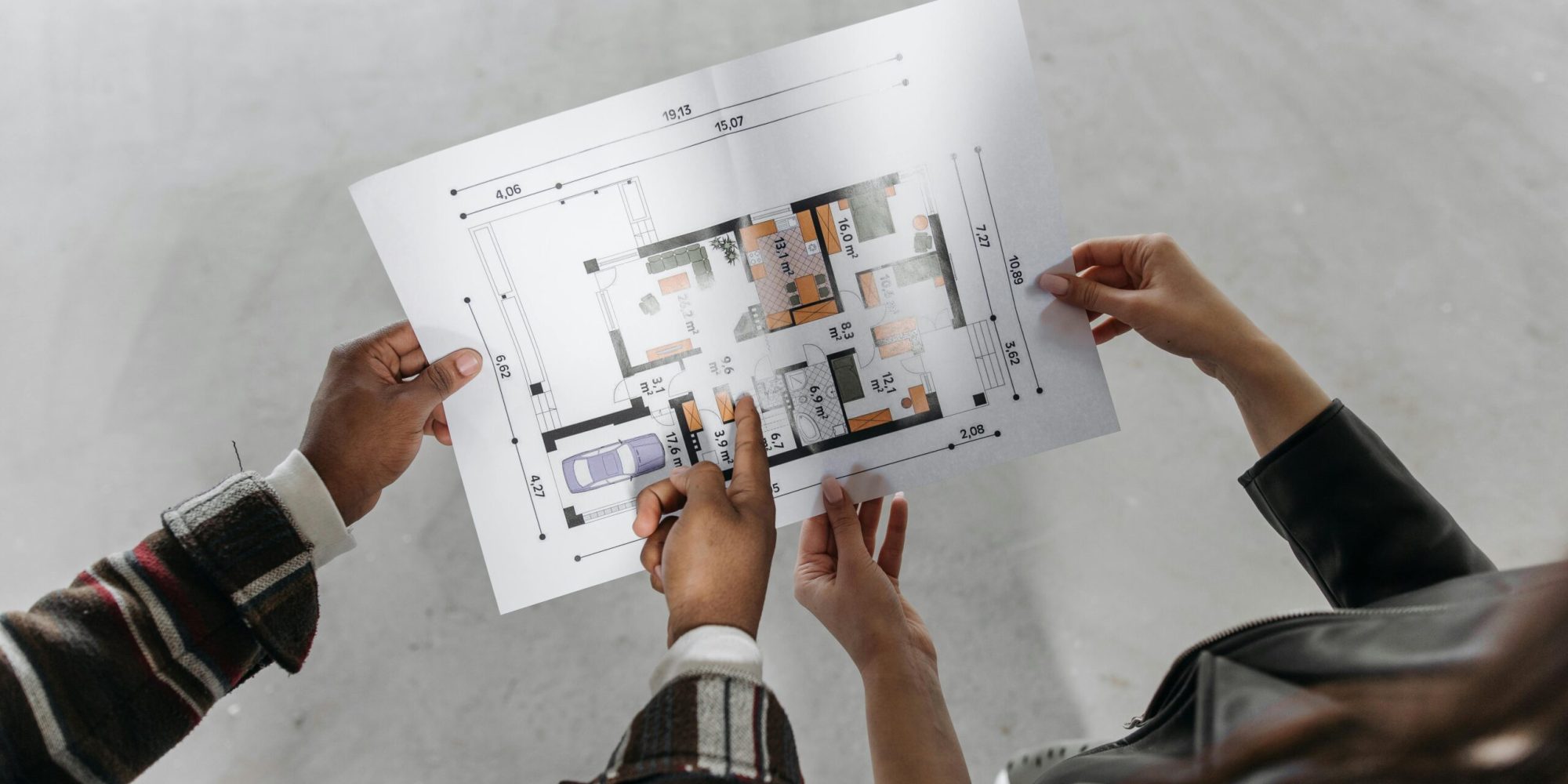
Understanding Building Permits & Regulations for Home Additions in Toronto
Home additions can be an exciting next step, but in Toronto, they also mean navigating a detailed permitting process. From zoning bylaws to Committee of Adjustment applications, this guide outlines what you need to know before starting your home addition and explains when it’s best to bring in professionals to help move the process forward smoothly.
What Is a Building Permit and Why It Matters
A building permit is your formal approval from the City of Toronto to construct, renovate, or expand. For home additions, permits protect structural safety, ensure code compliance, and preserve your property’s value. Without them, you risk costly delays, legal issues, and diminished resale appeal.
What Permits Are Required for Additions
- Building Permit – Mandatory for any new structure connected to your home .
- Zoning Applicable Law Certificate – Confirms your addition complies with lot coverage, setbacks, FSI (Floor Space Index), and height limits.
- Heritage Permit – Needed in protected areas to preserve historical details.
- Mechanical/Plumbing Permits – Required if the project involves HVAC or new plumbing lines.
Understanding Zoning Regulations
Toronto’s zoning rules define what kind of addition is permissible in your neighborhood. Key factors include:
- Residential zoning classes (e.g. R1, R2) which affect height and lot coverage.
- FSI limits to cap overall building size.
- Heritage and conservation overlays that restrict material and design choices.
Step‑by‑Step: Permit Application Process
Pre‑Application Consultation with Toronto Building to confirm compliance and identify constraints.
Prepare Drawings & Documents – include site plan, elevations, floor plans, engineer or architect seal, and energy compliance summaries.
Feature Submit Application & Pay Fees – heed timing, fees are by area and reviewed under 2025 code.
Review & Revisions – expect feedback and potential adjustments before approval.
Inspections During Build – multiple review stages to ensure compliance
Close Permit on Completion – your final permit signifies official compliance.
Timeline: Early prep is key. Zoning checks help avoid delays. Complete submissions generally take 10–20 business days to review, depending on complexity.
Tips for a Smooth Approval
- Submit Full Applications with architect/engineer seals for faster review.
- Use Express Stream for simpler permits (e.g., decks, garages), though not for full additions.
- Check zoning early—Toronto’s zoning maps and FSI limits are vital to feasibility.
- Engage experts—architects and contractors can streamline the process and avoid mistakes.
- Account for heritage overlays, especially in older neighbourhoods like Summerhill or Rosedale.
Why Urban Blueprint Is Your Permit Partner
At Urban Blueprint, our process includes: zoning reviews, expert permit-ready drawing, full permit submission, and onsite inspection coordination. We handle the admin so you can stay focused on design. With over a decade in Toronto’s built environment, our clients benefit from our intimate citywide knowledge and attention to detail.
FAQ
What permits are required for home additions in Toronto?
You’ll need a building permit, zoning certificate, and possibly mechanical and heritage permits for designated properties.
How do local building regulations impact planning and execution?
Zoning bylaws govern setbacks, coverage, FSI, and heritage restrictions. Early review ensures your design is compliant.
What tips help homeowners navigate permitting smoothly?
Submit complete, sealed documents, consult city staff early, and work with licensed professionals to minimize delays and ensure code compliance.
Final thoughts
Remodeling isn’t just about upgrading aesthetics—it’s about creating a home that works for your lifestyle. At Urban Blueprint, we bring expertise, craftsmanship, and a refined design sensibility to every project, ensuring your renovation is seamless and stress-free.